


Ricardo Vidort (1929 - 2006)

Ricardo Vidort is regarded as on e of the last great Milongueros, influencing social Argentine Tango dancing through the end of the Golden Age of Tango into this century. He is one of the last dancers to absorb and understand the soul of Tango.
These are the core principles of Vidort's Tango philosophy.
🎯 Core Principles of Vidort’s Teaching Philosophy
1. Total Commitment — “Give EVERYTHING”
Vidort’s most famous line encapsulates his worldview:
“When you dance Tango, you must give EVERYTHING. If you can’t do that, don’t dance.”
This wasn’t hyperbole. For Vidort, tango demanded:
Full emotional investment
Full physical attention
Full respect for the partner and the music
He believed that dancing without commitment was disrespectful — not just to the partner, but to tango itself.
🎼 2. Music First — Steps Are Secondary
Vidort taught that tango is music made visible. His hierarchy was clear:
Music
Connection
Movement
He insisted dancers listen before they move, and that the dance should emerge from:
phrasing
pauses
breath
the emotional tone of the orchestra
He was particularly strict about not dancing over the music — no rushing, no forcing, no showing off.
🤝 3. The Embrace as a Moral Contract
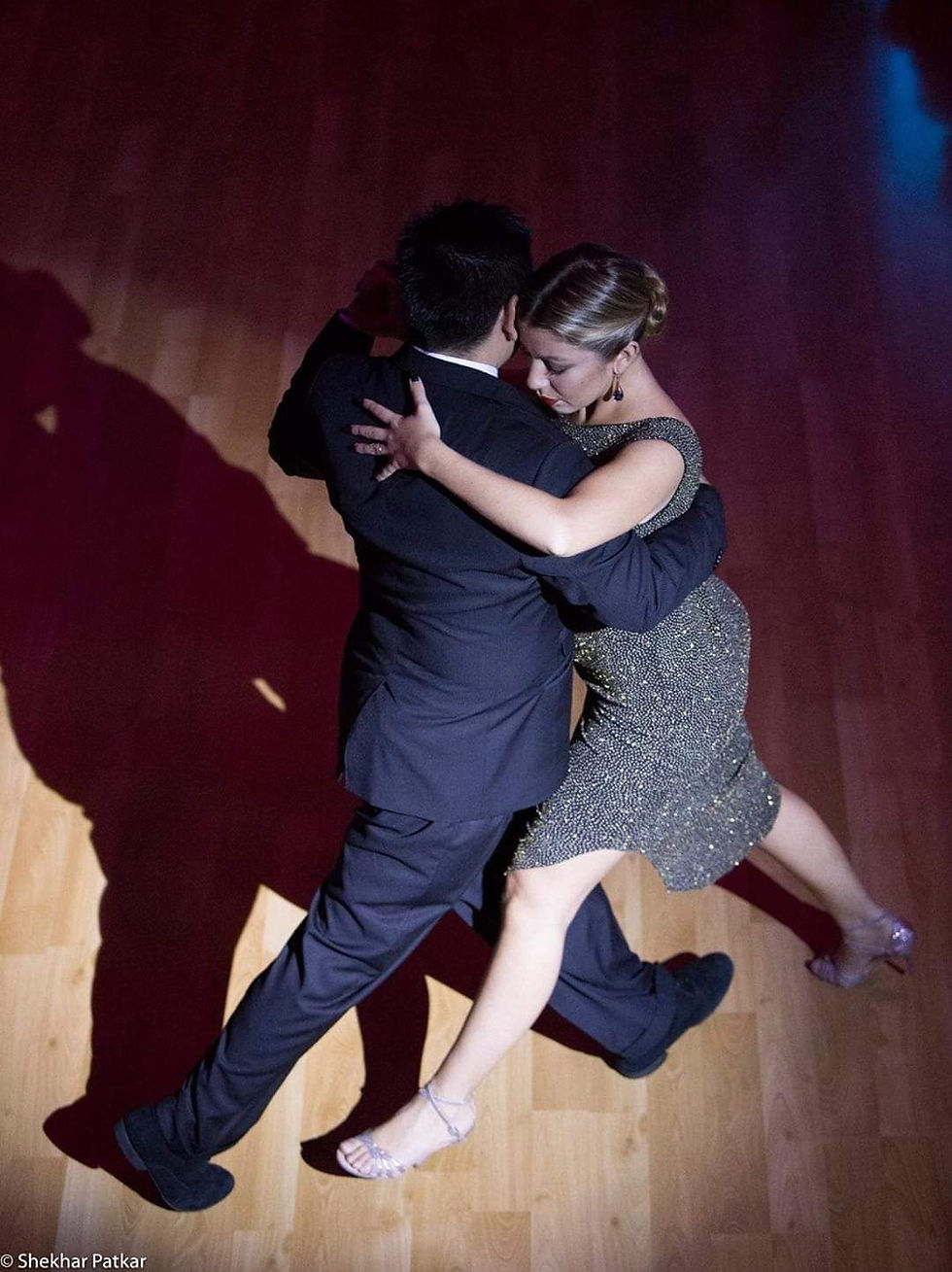
Vidort’s embrace was legendary: quiet, contained, and deeply communicative.
He taught that:
The embrace is not a frame; it is a relationship.
The leader’s responsibility is protection and clarity.
The follower’s responsibility is trust and active listening.
He rejected any embrace that was:
overly loose
overly athletic
performative
disconnected from the partner’s comfort
For Vidort, the embrace was the soul of tango.
🧭 4. Simplicity Over Complexity
Vidort was part of the generation that believed tango’s beauty lies in subtlety, not choreography.
He emphasised:
walking
pauses
weight changes
understated turns
musical cadences
He discouraged:
flashy figures
acrobatics
memorised sequences
anything that broke the emotional continuity of the dance
His mantra: “If you cannot walk well, you cannot dance tango.”
🧘 5. Presence, Not Performance
Vidort rejected the idea of tango as spectacle.
He taught:
Tango is danced for your partner, not for the audience.
The milonga is a place of intimacy, not exhibition.
The dancer’s job is to be present, not impressive.
This is why his dancing looks deceptively simple — but feels profound.
🕰️ 6. Respect for Tradition and Lineage
Vidort was one of the “old milongueros” who carried the pre‑1955 tradition into the modern era.
He emphasised:
respect for the codes (códigos)
respect for the ronda
respect for the elders
respect for the music of the Golden Age
He believed tango was a cultural inheritance, not a personal playground.
🧩 7. Character and Ethics in Dancing
Vidort’s teaching often crossed into moral territory.
He taught that a good tango dancer must be:
humble
attentive
honest
disciplined
emotionally available
He believed that arrogance, carelessness, or emotional detachment were incompatible with tango.
🔍 How Vidort Differs from Gavito
Vidort
: inward, contained, traditional, moralistic, music‑driven.
Gavito
: theatrical, poetic, solitary, metaphysical, visually expressive.
Vidort’s philosophy is about how you live inside the dance. Gavito’s is about how the dance lives inside you.
Video Interview:
More Reading:

Comments