


Introducing the Tango Faja: grading and graduation for Argentine Tango dancers

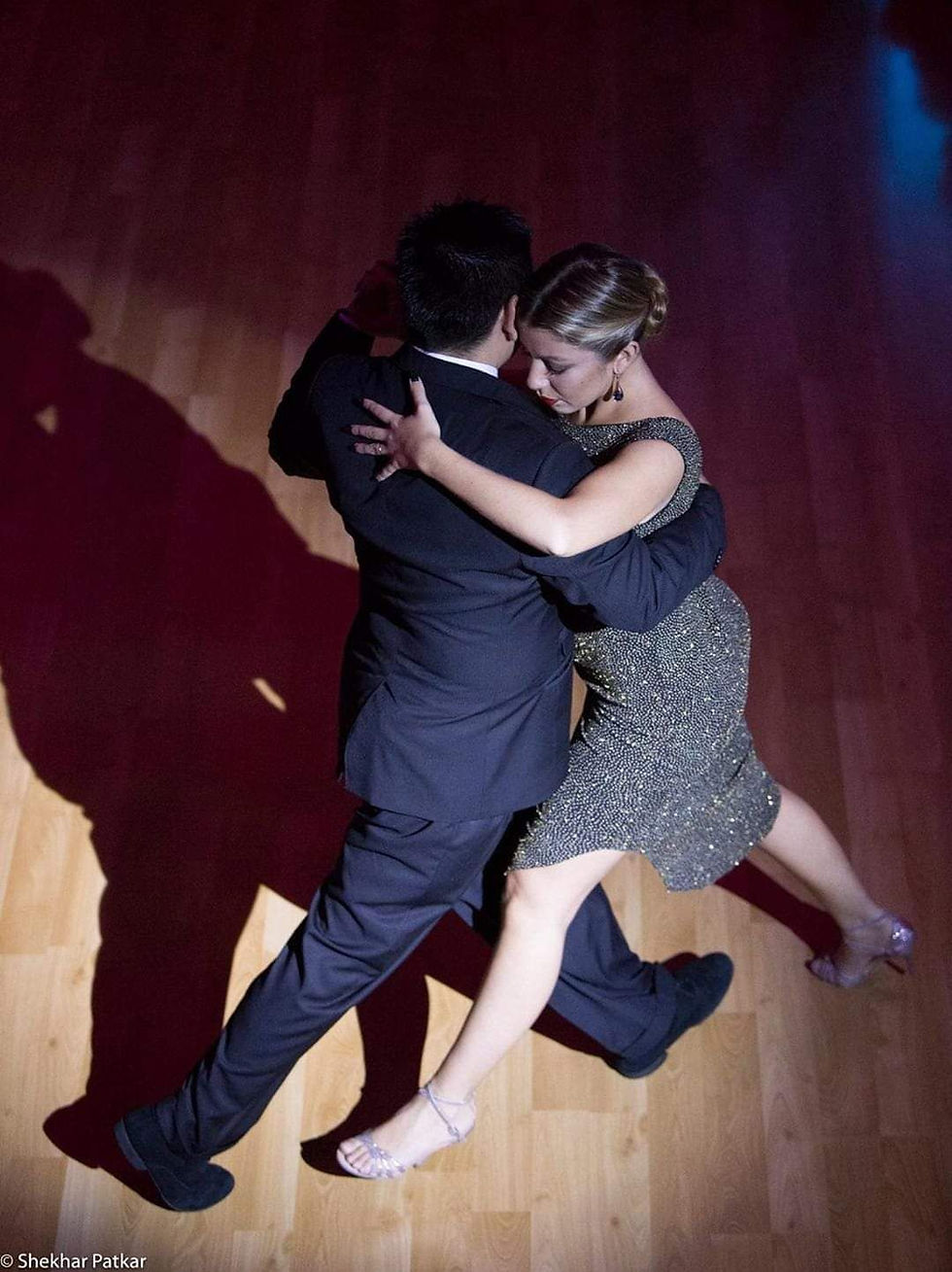
There's a reason the whole world says "it takes two to tango." People everywhere sense that tango is more than just another dance. It stands for connection, for mutual commitment, and for feeling.
Where it began
In the milongas of Buenos Aires and Montevideo during the Golden Age (1935–1950), Tango was refined into a deep art of connection: two people sharing emotion through movement. The great masters called it "dancing a feeling." We also call it "sharing a feeling".
What the world saw instead
When tango came back onto the world stage after 1983, it arrived through spectacular shows like Tango Argentino, with dramatic lifts, kicks and choreography. They were beautiful to watch, but they became most people's picture of Tango. Outside the milongas, very few people ever felt what makes tango truly special.
Tango is learned like a martial art
Real tango isn't a routine of memorised steps, and you can't master it in a few lessons. It's a dance of creative expression, built in layers:
:➡️ First, technique, practised until it becomes second nature
➡️ Then, musicality: understanding and responding to tango's rich music
➡️ Finally, the language of tango, an unspoken conversation between two people
That takes commitment, practice and time, and we believe that journey deserves to be recognised.
Annual Grading & Graduation Ceremony
The Tango Lesson is proud to launch a grading system of five fajas (belts). Each one marks a stage in your growth towards becoming a true milonguera or milonguero.
At the end of each year, grades are awarded on:
✔️ Attendance and commitment
✔️ Dance skills and technique
✔️ Milonga etiquette
✔️ Musicality and musical knowledge
✔️ The feeling for tango
Your faja shows your level at a glance to other tango dancers. You can stop at any stage, and your faja is yours forever.
Why the faja?
The faja is a traditional Argentine woven belt. It was first worn by Indigenous women and later adopted by the gauchos of the Pampas. It has long been valued for support, posture and a sense of grounding, and it carries a deeper meaning too: connection to heritage, cultural identity and personal pride. Tradition holds that the red faja wards off negative energy and builds inner strength, which suits a dance that asks for balance, presence and confidence.
Your tango journey matters. Now it can be celebrated.

Comments